





Why Are Magnesium Alloy Die Casting Products Becoming an Important Choice for Lightweight Industrial Applications?
With the continuous development of global manufacturing industries, lightweight design has become one of the most important trends in automotive, electronics, aerospace, medical equipment, and industrial product development. Manufacturers are increasingly looking for materials that can provide excellent strength while reducing overall product weight. Among various lightweight metals, magnesium alloy has attracted significant attention due to its extremely low density, excellent machinability, good vibration absorption, and outstanding energy-saving advantages.
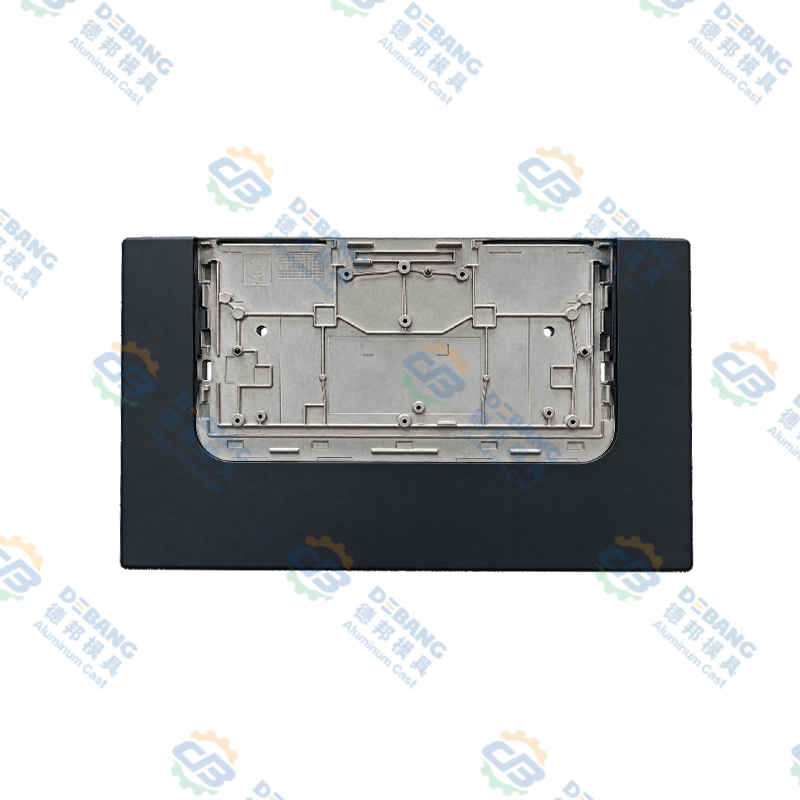
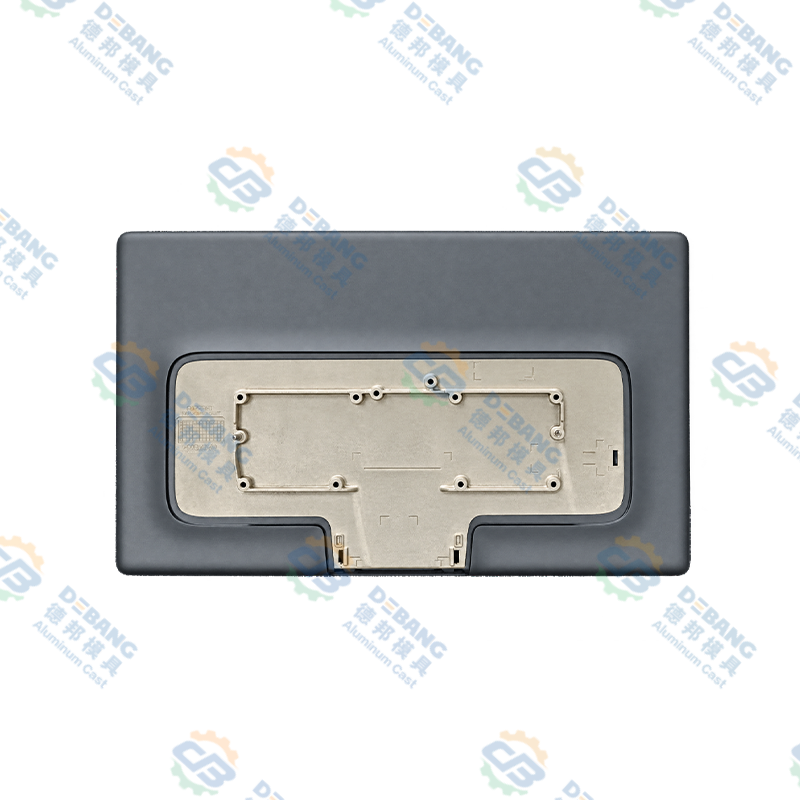
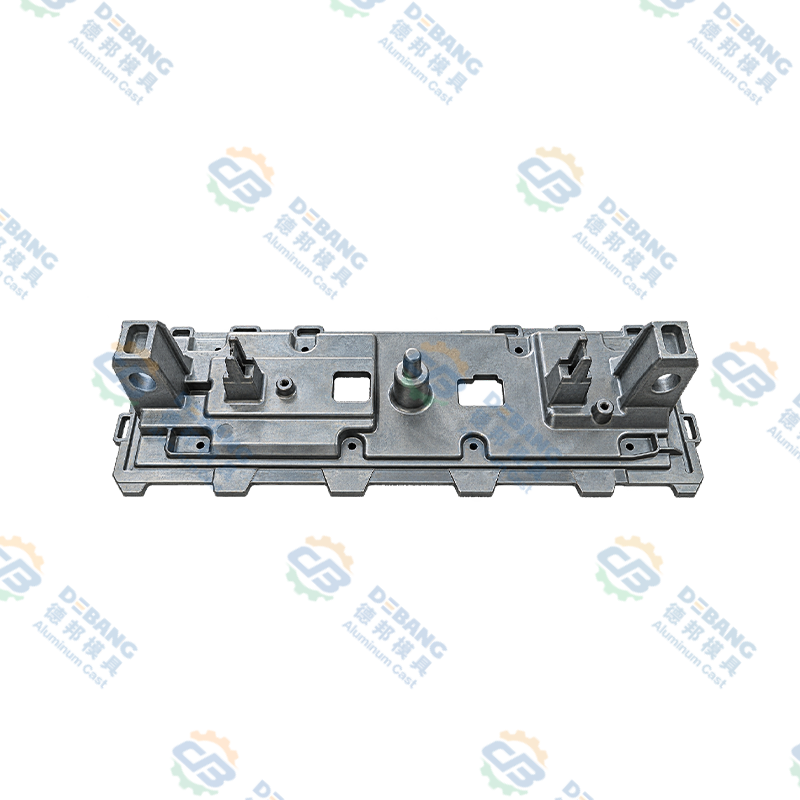
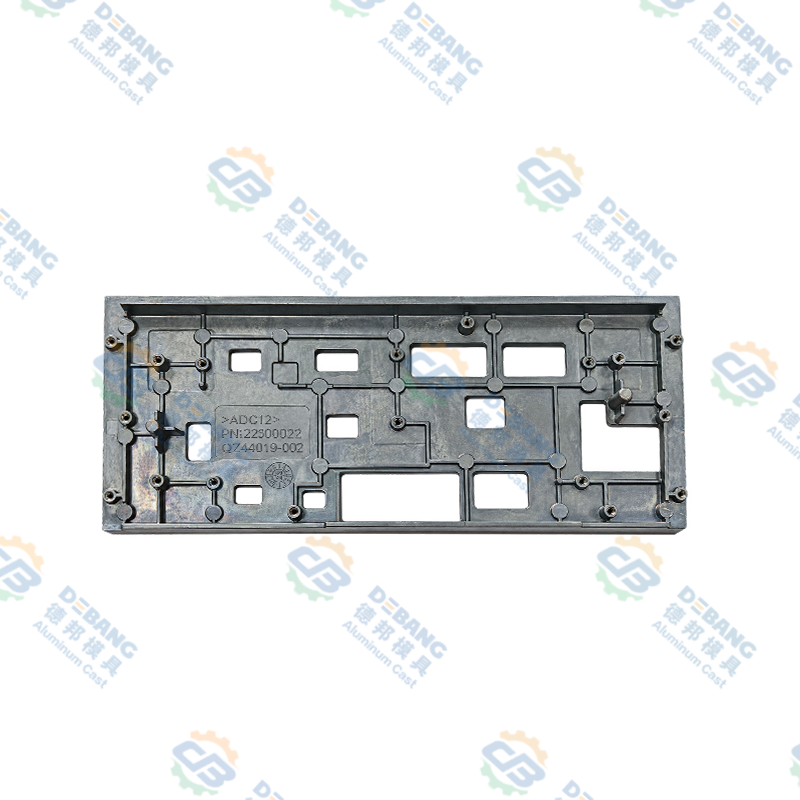
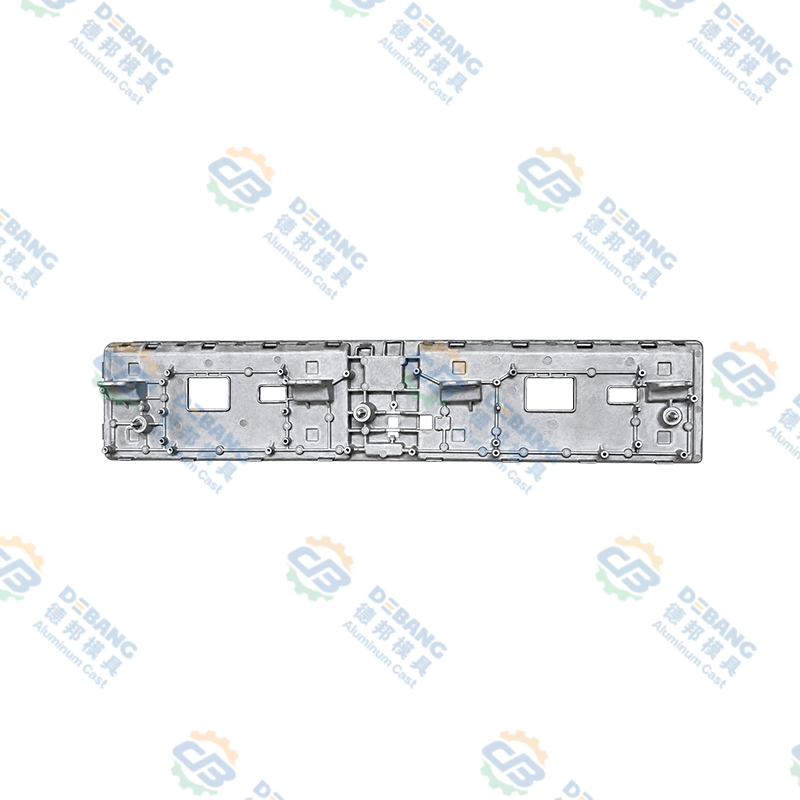
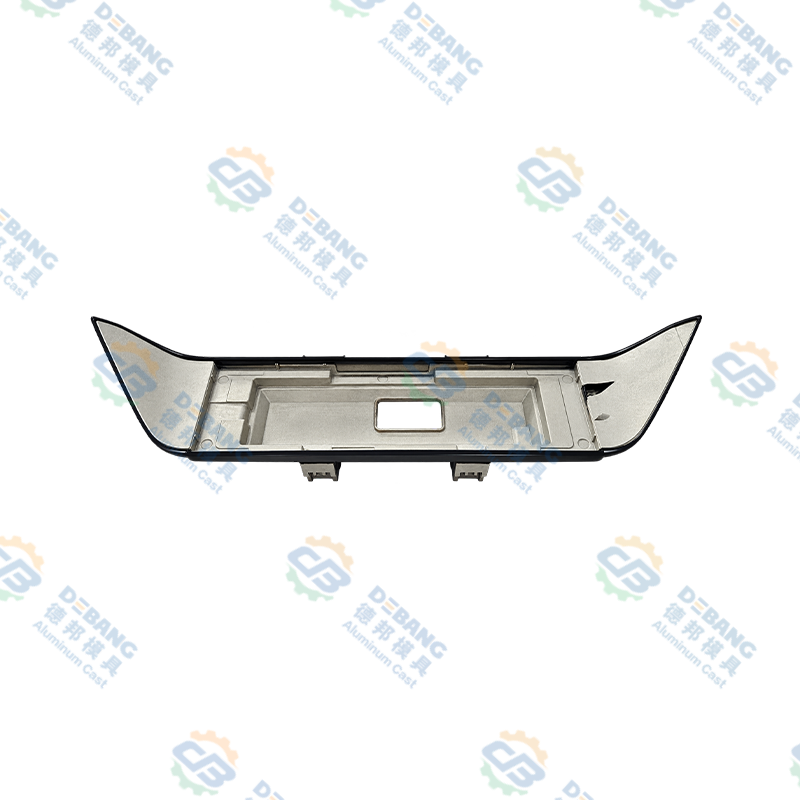
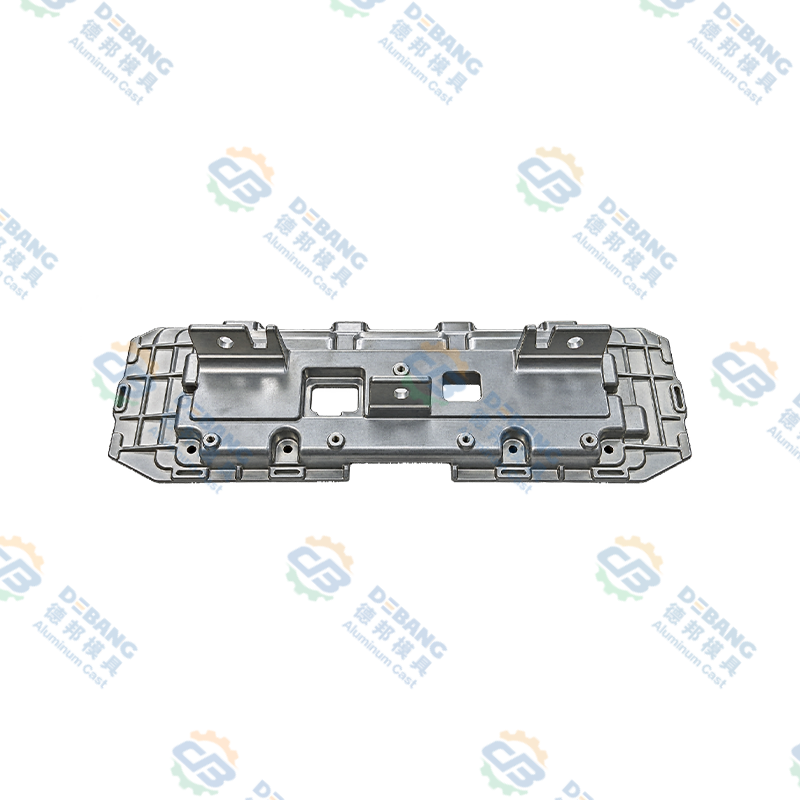
Magnesium alloy die casting products are components manufactured through the high-pressure die casting process using magnesium alloys as raw materials. During production, molten magnesium alloy is injected into precision-designed molds at high speed and pressure. After cooling and solidification, the finished products achieve complex structures, accurate dimensions, and excellent mechanical properties. Compared with traditional manufacturing methods, magnesium alloy die casting enables manufacturers to produce lightweight components with high efficiency and consistent quality.
One of the most significant advantages of magnesium alloy die casting products is their lightweight performance. Magnesium is one of the lightest structural metals available for industrial applications, with a density much lower than aluminum and steel. This makes magnesium alloy components particularly valuable in industries where reducing weight directly improves product performance.
For example, in the automotive industry, reducing vehicle weight helps improve fuel efficiency, extend electric vehicle driving range, and enhance overall driving performance. Magnesium alloy die casting products are widely used in applications such as instrument panel supports, steering components, transmission housings, seat frames, and electronic equipment housings. These components require both structural strength and weight reduction, making magnesium alloy an ideal material choice.
In addition to lightweight advantages, magnesium alloys also provide excellent vibration damping properties. Compared with aluminum and steel, magnesium alloys can absorb mechanical vibrations more effectively. This feature is particularly valuable for automotive components, precision equipment, and electronic products where vibration control is essential.
Another important advantage of magnesium alloy die casting is excellent electromagnetic shielding performance. With the increasing use of electronic systems in modern vehicles and consumer devices, electromagnetic interference protection has become increasingly important. Magnesium alloy components can provide natural electromagnetic shielding, making them suitable for electronic housings, communication equipment, and smart devices.
| Magnesium Alloy Die Casting Products | Application Areas | Main Advantages |
|---|---|---|
| Automotive Structural Parts | Instrument panels, brackets, housings | Lightweight and vibration reduction |
| Electronic Housings | Laptop frames, communication equipment covers | Electromagnetic shielding and durability |
| Industrial Components | Machinery parts and equipment structures | High strength-to-weight ratio |
| Aerospace Components | Lightweight structural parts | Weight reduction and performance improvement |
| Consumer Products | Smart devices and precision equipment | Thin-wall design capability |
The production of magnesium alloy die casting products requires advanced manufacturing technology and strict process control. Magnesium alloys have unique casting characteristics, meaning manufacturers need professional experience in mold design, temperature control, injection parameters, and safety management.
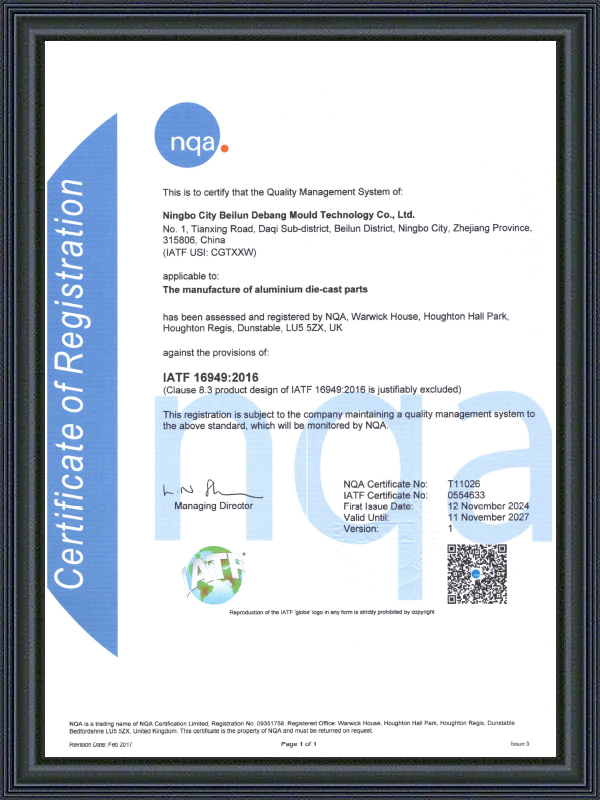
As a professional Magnesium Alloy Die Casting Products Manufacturer, Debang Mould Technology Co., Ltd. focus on providing customized magnesium alloy casting solutions for global customers. Through advanced mold development technology, precision manufacturing processes, and strict quality management, we help customers create lightweight components with excellent performance and stable production quality.
A high-quality mold plays a critical role in magnesium alloy die casting production. The mold design affects material flow, cooling efficiency, dimensional accuracy, and product appearance. Professional mold engineering can help reduce casting defects, improve production efficiency, and extend mold service life.
With increasing demand for lightweight and energy-efficient products, magnesium alloy die casting technology will continue to expand into more industries. Manufacturers that can provide advanced mold solutions and customized production capabilities will become important partners in the future manufacturing supply chain.
How Does the Magnesium Alloy Die Casting Process Ensure High-Performance and Reliable Components?
The quality of magnesium alloy die casting products depends on a combination of material selection, mold design, casting technology, surface treatment, and quality inspection. Since magnesium alloys have different characteristics from aluminum and zinc alloys, professional manufacturing requires specialized knowledge and advanced production systems.
The first stage of magnesium alloy die casting production is product design analysis and mold development. The mold determines the final shape, structural strength, and production efficiency of the component. Many magnesium alloy products require thin-wall structures, complex geometries, and integrated designs to achieve maximum weight reduction.
Professional engineers analyze product requirements and optimize mold structures before production. Through advanced CAD modeling and simulation technology, manufacturers can evaluate metal flow, filling conditions, cooling processes, and possible defects. This helps improve product quality and reduce development costs.
Mold precision is one of the most important factors affecting magnesium alloy die casting performance. A well-designed mold ensures stable material filling, reduces porosity, improves surface quality, and increases production consistency.
| Manufacturing Stage | Main Function | Quality Impact |
|---|---|---|
| Product Design Analysis | Optimizes component structure | Improves manufacturability |
| Mold Development | Creates precision production tools | Determines product accuracy |
| Die Casting Process | Forms final component shape | Affects strength and surface quality |
| Surface Treatment | Improves durability and appearance | Enhances product performance |
| Quality Inspection | Verifies product standards | Ensures reliability |
Material selection is another important consideration. Different magnesium alloys provide different levels of strength, corrosion resistance, and casting performance. Common magnesium alloys used in die casting include AZ91D, AM60B, and AS41B.
AZ91D is one of the most commonly used magnesium alloys because it provides a good balance between strength, corrosion resistance, and casting performance. AM60B offers better ductility and impact resistance, making it suitable for automotive safety-related components.
| Magnesium Alloy | Characteristics | Typical Applications |
|---|---|---|
| AZ91D | Good strength, excellent castability | Automotive housings and structural parts |
| AM60B | High ductility and impact resistance | Safety-related automotive components |
| AS41B | Good creep resistance | Engine-related applications |
During the die casting process, molten magnesium alloy is injected into the mold cavity under controlled conditions. Because magnesium reacts easily with oxygen at high temperatures, manufacturers must carefully manage production environments to ensure safety and product quality.
Advanced die casting equipment and process monitoring systems help maintain stable production parameters. Factors such as injection speed, mold temperature, filling pressure, and cooling time must be precisely controlled to achieve consistent results.
After casting, magnesium alloy components may require additional processing, including trimming, CNC machining, surface finishing, and protective coating. Since magnesium alloys are lightweight and relatively easy to machine, secondary processing can often be performed efficiently.
Surface treatment is particularly important for magnesium alloy products because magnesium requires additional protection against corrosion. Common surface treatments include chemical conversion coating, painting, anodizing, and protective coatings.
| Surface Treatment Method | Benefits | |
|---|---|---|
| Chemical Conversion Coating | Improves corrosion resistance | |
| Painting | Provides protective and decorative surfaces | |
| Anodizing | Enhances surface durability | |
| Protective Coating | Extends product service life |
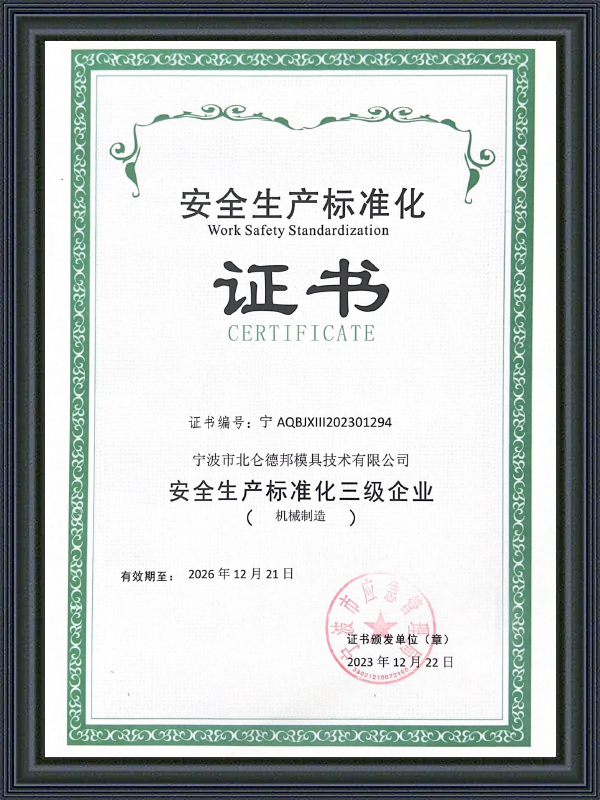
Quality inspection is essential throughout the manufacturing process. Professional magnesium alloy die casting manufacturers apply strict inspection procedures, including dimensional measurement, material testing, surface inspection, and internal defect analysis.
Through advanced manufacturing technology and strict process management, magnesium alloy die casting manufacturers can deliver components that combine lightweight design, strength, durability, and production efficiency.
What Future Opportunities Will Magnesium Alloy Die Casting Bring to Global Manufacturing Industries?
As industries continue moving toward lightweight, energy-efficient, and environmentally responsible manufacturing, magnesium alloy die casting technology is expected to create more opportunities across global markets. The unique advantages of magnesium alloys make them highly suitable for future applications in electric vehicles, smart electronics, aerospace equipment, and advanced industrial products.
The rapid growth of electric vehicles is one of the biggest factors driving demand for magnesium alloy components. Electric vehicles require lightweight structures to offset battery weight and improve driving range. Since magnesium alloys provide excellent weight reduction benefits, they are becoming increasingly attractive for battery housings, structural supports, interior components, and electronic equipment frames.
In the automotive sector, manufacturers are exploring more integrated designs to reduce assembly complexity. Magnesium alloy die casting supports this trend by allowing multiple functions to be combined into a single component. This reduces the number of parts, lowers production costs, and improves structural reliability.
| Future Development Trend | Influence on Magnesium Alloy Die Casting |
|---|---|
| Electric Vehicle Growth | Increases demand for lightweight components |
| Smart Manufacturing | Improves production efficiency and consistency |
| Integrated Component Design | Reduces assembly requirements |
| Sustainable Manufacturing | Promotes recyclable material applications |
| Advanced Electronics | Expands demand for lightweight housings |
The electronics industry is another important growth area. Modern electronic devices require lightweight, thin, and durable structures. Magnesium alloy die casting provides excellent electromagnetic shielding and dimensional stability, making it suitable for laptops, cameras, communication devices, and smart equipment.
Sustainability will also influence the future development of magnesium alloy die casting. Debang Mould Technology Co., Ltd. focus on reducing carbon emissions and improving resource efficiency, lightweight materials will become increasingly valuable. Magnesium alloys contribute to sustainability by helping reduce product weight and improving energy efficiency during product use.
For customers looking for magnesium alloy die casting solutions, selecting an experienced manufacturer with strong mold development capabilities is essential. Professional manufacturers can provide comprehensive support, including product design optimization, mold development, casting production, machining, and quality control.
As a dedicated Magnesium Alloy Die Casting Products Manufacturer, we are committed to providing customized lightweight metal component solutions for global customers. By combining professional mold technology, advanced die casting equipment, and strict quality management systems, we help customers achieve reliable products that meet modern industry requirements.
Through continuous innovation and manufacturing improvement, magnesium alloy die casting will continue to play an important role in the future of lightweight manufacturing. Companies that adopt this advanced technology can achieve better product performance, improved production efficiency, and stronger competitiveness in global markets.